Bridging Poker Tournament Probabilities with Secular Interpretations of Impermanence and Equanimity
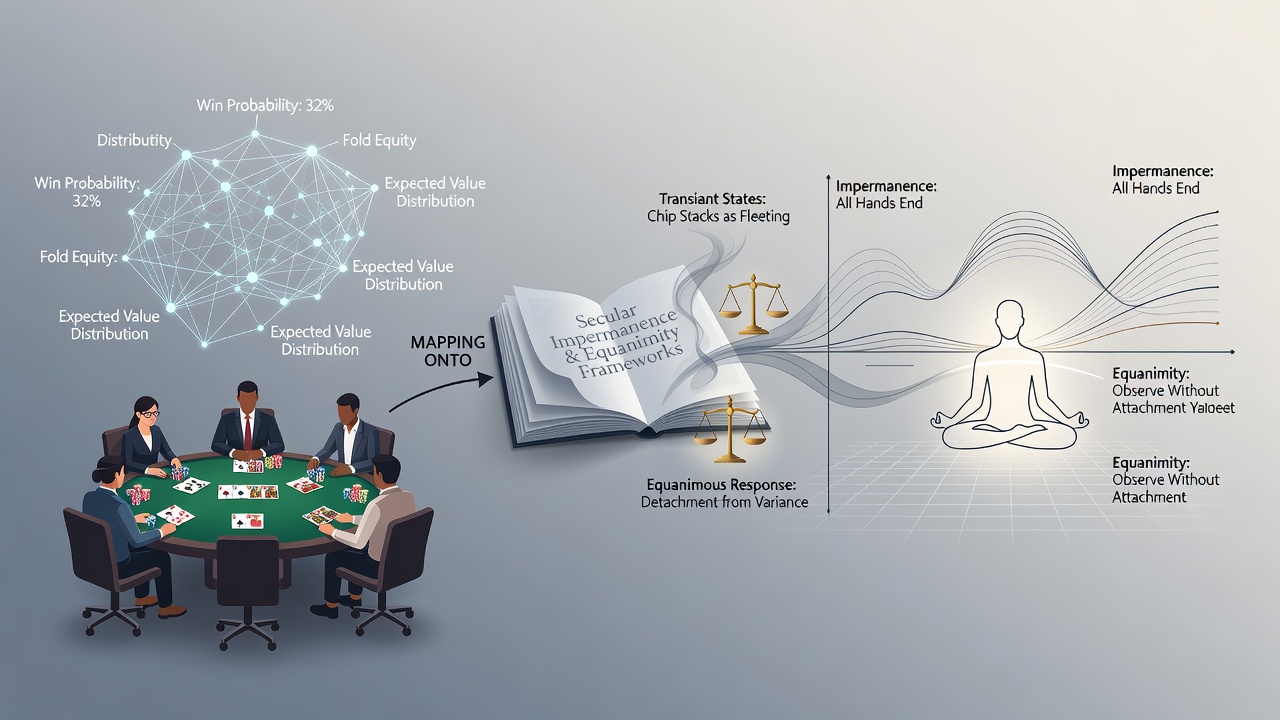
Probabilistic modeling in poker tournaments relies on calculations of expected value, independent chip model scenarios, and range-based equity estimates that shift with each betting round and table dynamic. These models treat outcomes as distributions rather than fixed results, which aligns with discussions in secular meditation literature about viewing experiences as transient processes rather than permanent states.
Core Elements of Probabilistic Modeling in Tournaments
Analysts apply tools such as Nash equilibrium solvers and simulation software to map decision trees across thousands of possible board runouts and opponent action frequencies. Data from tournament databases indicate that players who adjust strategies based on stack-depth probabilities maintain higher survival rates through later stages, according to reports compiled by international gaming research groups.
Stack sizes, payout structures, and blind levels create variable inputs that change rapidly during play. Observers note how these inputs mirror descriptions in meditation handbooks that present mental states as sequences of arising and passing phenomena, where fixation on any single outcome reduces adaptability.
Secular Frameworks of Impermanence and Equanimity
Secular interpretations drawn from meditation manuals emphasize impermanence as the continuous arising and dissolution of conditions, while equanimity refers to balanced awareness that neither clings to favorable events nor resists unfavorable ones. Texts on these topics describe practices of noting mental formations without identification, which researchers in cognitive science have linked to improved performance under uncertainty in laboratory decision tasks.
Studies published through academic institutions in North America and Europe have examined how participants trained in equanimity protocols show reduced emotional reactivity when facing probabilistic feedback loops similar to those encountered in multi-table tournament environments. Figures from these investigations reveal measurable shifts in risk assessment accuracy after repeated exposure to such frameworks.
Mapping the Two Domains
Connections emerge when tournament models are viewed through the lens of impermanence: each hand represents a temporary configuration of cards, positions, and stack ratios that dissolves after the outcome resolves. Equanimity then functions as the mental stance that allows continued application of updated probability estimates without carryover from previous results.
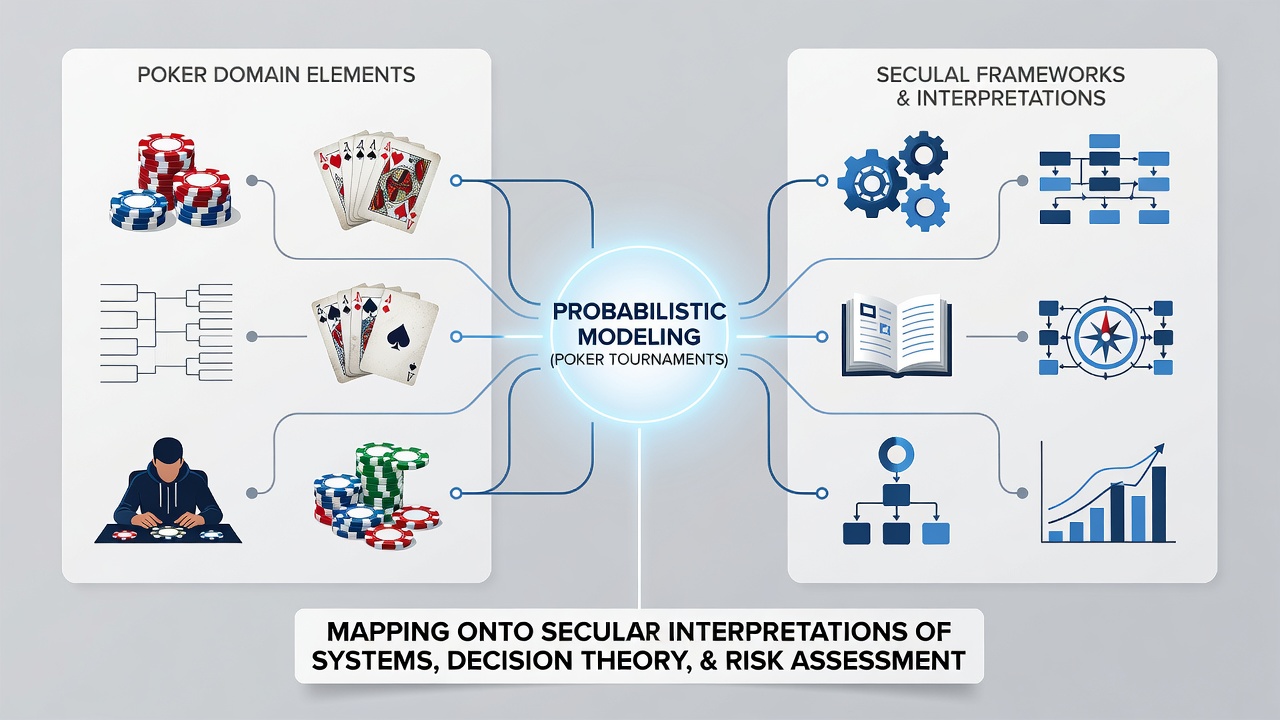
One documented approach involves players reviewing solver outputs while maintaining awareness of the transient nature of any specific equity percentage. This practice draws from handbook instructions that direct attention toward the flow of phenomena rather than attachment to particular data points. Research coordinated through university psychology departments has recorded correlations between such combined techniques and steadier adherence to pre-session strategic plans.
August 2026 brought additional datasets from European decision-science conferences that compared baseline tournament software usage against sessions augmented by secular equanimity exercises. The compiled metrics showed consistent patterns in how participants maintained calibration across variance swings when both probability frameworks and meditation-derived observation methods were employed together.
Practical Integration Observed in Training Programs
Training regimens developed by performance consultants incorporate short noting exercises between tournament levels, directing attention to the arising of strategic thoughts as events that pass rather than fixed directives. These methods parallel handbook guidance on observing mental contents without elaboration, allowing fresh probability recalculations to take precedence over prior conclusions.
Industry reports from Canadian and Australian regulatory research arms indicate growing interest among professional circuits in structured programs that combine quantitative modeling with attention-regulation techniques. Participants in these programs demonstrate measurable retention of strategic adjustments across extended sessions, according to aggregated performance logs shared at industry symposia.
Conclusion
Documentation from multiple research streams shows that frameworks of impermanence and equanimity drawn from secular meditation sources can be aligned with the dynamic inputs required by poker tournament probability models. The resulting integration supports continued recalibration of decisions as conditions evolve, consistent with data patterns observed across controlled studies and tournament records through 2026.